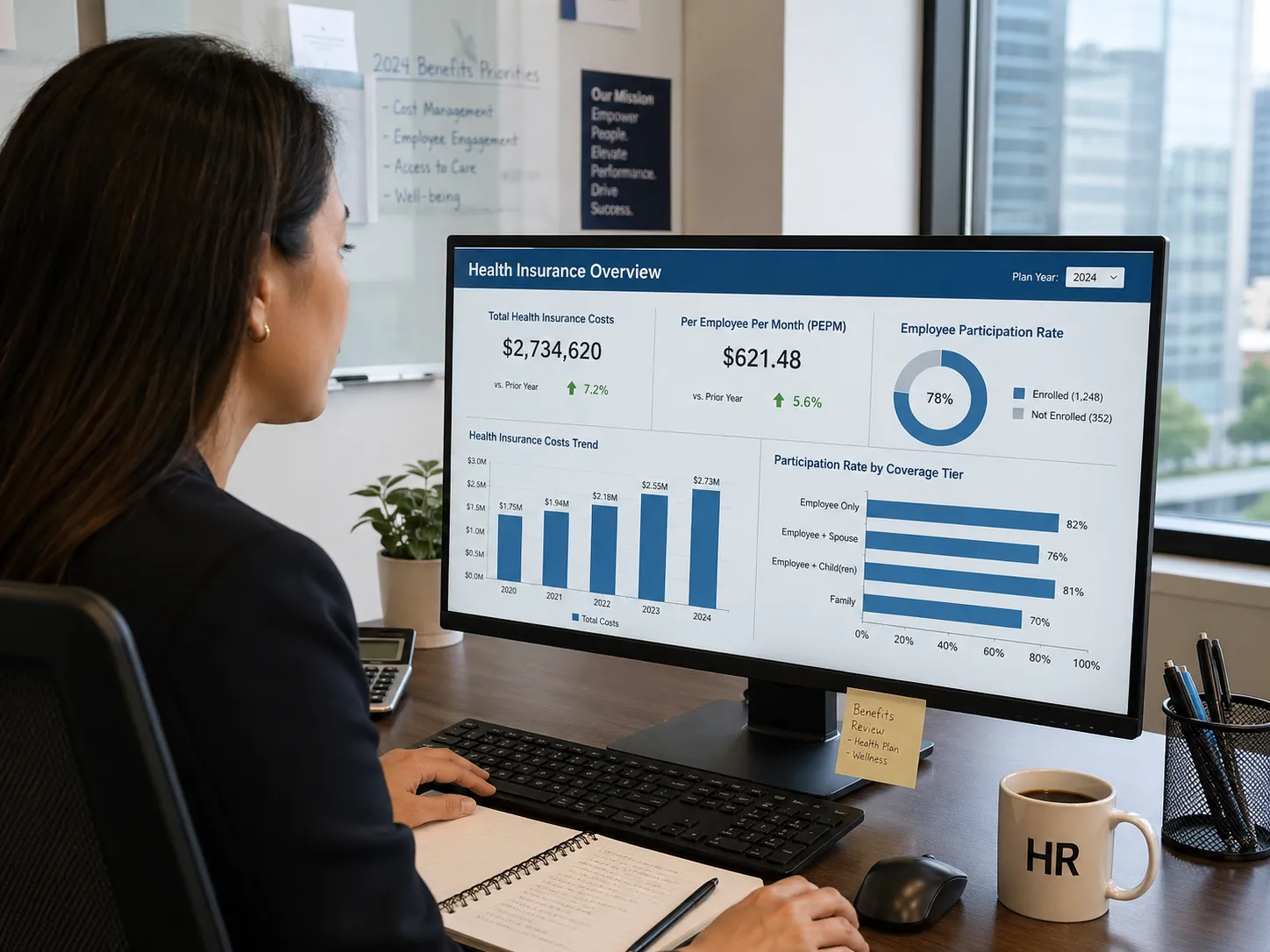

An employee health plan is one of the most valuable benefits a company can offer. Beyond covering medical costs, it supports workforce stability, improves retention, and helps employees feel secure in their day-to-day lives.
For employers, choosing the right plan involves balancing cost, coverage, and long-term business goals.
What Is an Employee Health Plan
An employee health plan is a group insurance program provided by an employer to cover healthcare expenses for employees and often their dependents.
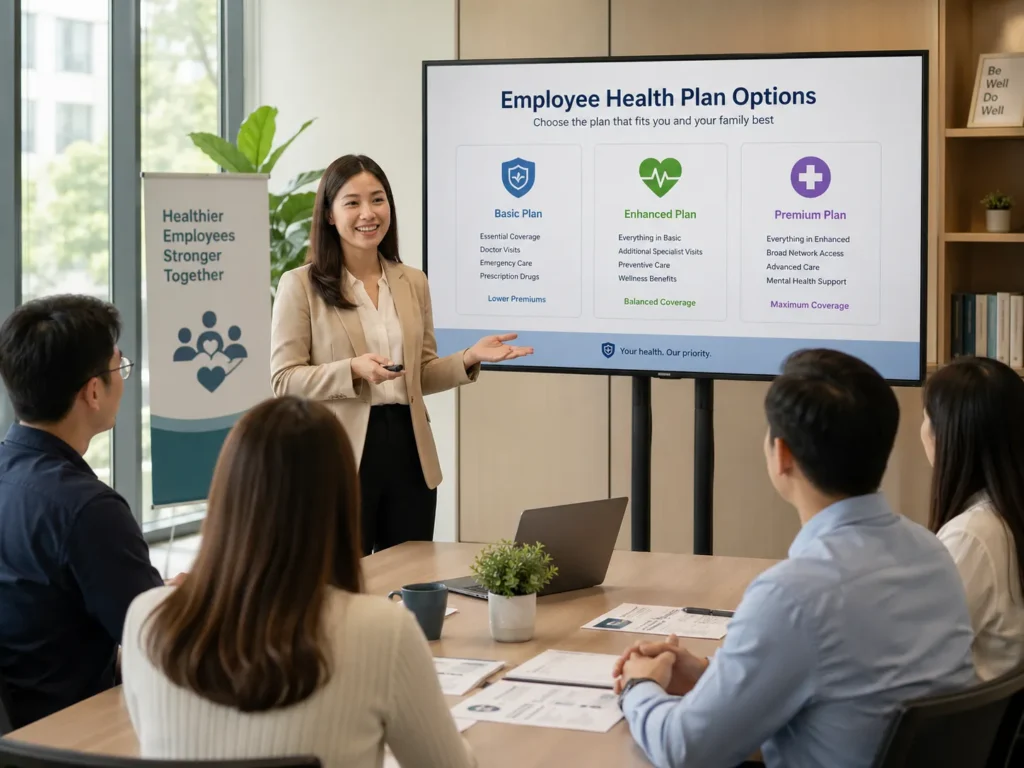
These plans typically include:
- Doctor visits and preventive care
- Hospital and emergency services
- Prescription drug coverage
- Mental health support
Because coverage is offered to a group, costs are often more stable compared to individual insurance policies.
How Employee Health Plans Work
Employers select a plan and share the cost with employees. The employer usually covers a portion of the premium, while employees contribute the rest through payroll deductions.
The general process includes:
- Choosing one or more insurance plans
- Setting employer contribution levels
- Enrolling employees during a defined period
- Renewing and adjusting plans annually
This structure allows businesses to provide consistent benefits while maintaining control over costs.
Types of Employee Health Plans
Different plan types offer varying levels of flexibility and affordability.
| Plan Type | Key Feature | Best Fit |
|---|---|---|
| HMO | Network-based care | Lower cost, structured care |
| PPO | Flexible provider access | Greater choice |
| HDHP | High deductible, low premium | Cost-conscious employees |
| EPO | Limited network with balance | Moderate flexibility |
Choosing the right mix depends on employee needs and company budget.
Pro Insight
The most effective employee health plans are those employees actually use. A plan that looks affordable but has limited access or high out-of-pocket costs may reduce satisfaction over time.
Benefits for Employers
Offering an employee health plan provides several advantages:
- Attracts and retains talent
- Improves productivity and morale
- May offer tax benefits depending on structure
- Strengthens company reputation
Employees often view health coverage as a core part of compensation.
Benefits for Employees
Employees gain practical and financial support through group plans:
- Lower premiums compared to individual coverage
- Access to wider provider networks
- Coverage for dependents
- Predictable healthcare expenses

These benefits contribute to overall job satisfaction and financial stability.
Cost Factors to Consider
The cost of an employee health plan depends on several factors:
- Number of enrolled employees
- Age and health profile of the group
- Plan type and coverage level
- Employer contribution percentage
Balancing affordability with meaningful coverage is a key challenge for many businesses.
Quick Tip
Offer at least two plan options if possible. This allows employees to choose between lower premiums and broader coverage based on their individual needs.
When an Employee Health Plan Makes Sense
Employee health plans are especially valuable when:
- Hiring becomes competitive
- Employee retention is a priority
- The business has stable and predictable revenue
A practical example illustrates this.
A growing company introduces a health plan with partial employer contributions. Over time, employee satisfaction improves, and turnover decreases as the benefit adds long-term value.
Common Challenges
Despite their advantages, employee health plans come with challenges:
- Rising premiums
- Administrative complexity
- Balancing diverse employee needs
- Keeping up with regulatory requirements
Regular reviews and adjustments can help address these issues.

Frequently Asked Questions
What is an employee health plan
It is a group health insurance program provided by an employer to cover employees’ medical expenses.
Do employers have to pay for the plan
Employers typically contribute a portion of premiums, though the amount varies.
Can employees add dependents
Yes, most plans allow coverage for spouses and children, usually at an additional cost.
Is group health insurance cheaper
Often yes, due to shared risk and employer contributions.
How many employees are needed
Requirements vary, but many plans are available for small groups starting with just a few employees.
Conclusion
An employee health plan is a foundational benefit that supports both workforce well-being and business stability. While costs and plan selection require careful consideration, the long-term advantages—improved retention, stronger morale, and better employee health—often make it a worthwhile investment.
By choosing the right plan and reviewing it regularly, employers can build a benefits strategy that grows alongside their organization.
https://www.healthcare.gov
https://www.dol.gov
https://www.cms.gov
https://www.irs.gov
This article is for general informational purposes only and does not provide legal, financial, medical, or professional advice. Policies, rates, and regulations may change over time.