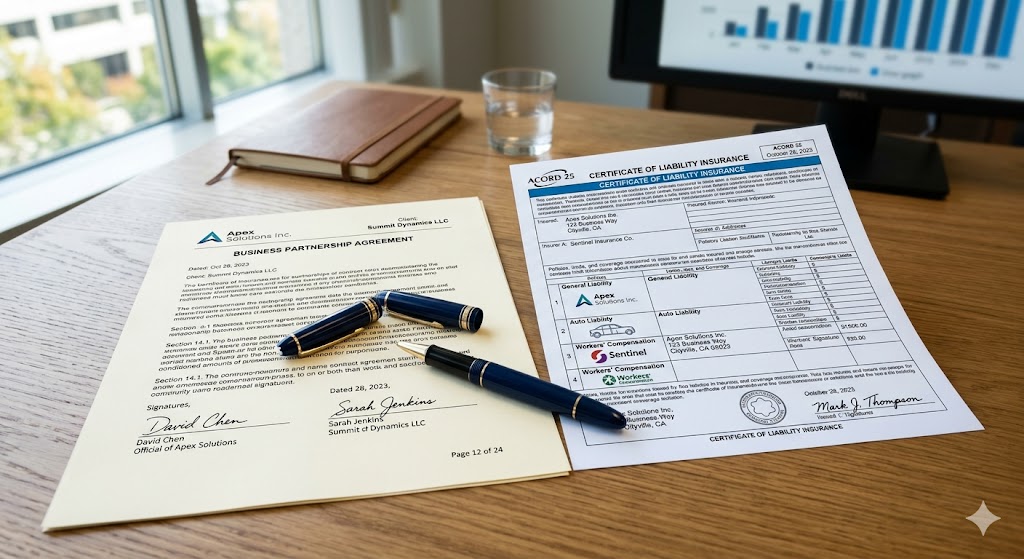
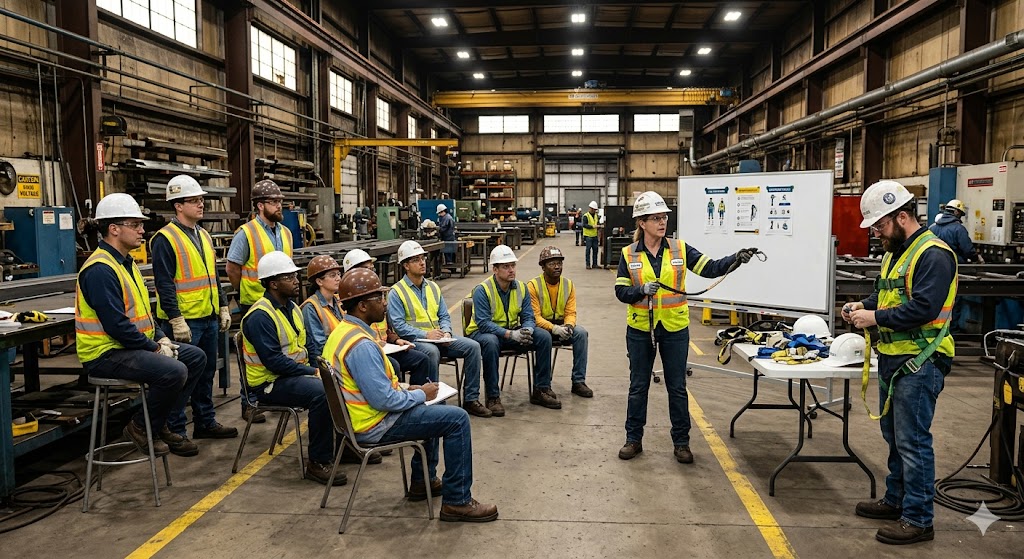
Workers’ compensation in New York is a core part of running a business with employees. It provides financial protection when workplace injuries or illnesses occur, covering medical costs and lost wages while helping employers meet legal obligations.
Understanding how workers comp works in New York can help both employers and employees navigate responsibilities and avoid costly gaps in coverage.
What Workers Comp Covers in New York

Workers’ compensation insurance is designed to support employees who are injured or become ill due to their job.
Typical coverage includes:
- Medical expenses related to workplace injuries
- Lost wages during recovery
- Rehabilitation services
- Disability benefits in some cases
In exchange, employees generally give up the right to sue their employer for workplace injuries, creating a structured system for handling claims.
Who Is Required to Have Workers Comp in NY
Most businesses in New York are legally required to carry workers’ compensation insurance.
Employers Who Must Provide Coverage
- Businesses with one or more employees
- Corporations, partnerships, and LLCs
- Contractors hiring workers
Possible Exceptions
- Sole proprietors with no employees
- Certain independent contractors (depending on classification)
Failure to carry required coverage can lead to fines, penalties, and potential business shutdown.
Comparing Workers Comp Benefits and Employer Obligations
| Category | Workers Comp Coverage | Employer Responsibility |
|---|---|---|
| Medical Costs | Covered for work-related injuries | Provide insurance policy |
| Lost Wages | Partial income replacement | Report injuries promptly |
| Legal Protection | Limits lawsuits | Maintain compliance with NY law |
| Employee Support | Rehab and disability benefits | Ensure proper classification of workers |
This system is designed to balance protection for both employees and employers.
Pro Insight
One of the most common issues in New York is worker misclassification. Treating employees as independent contractors can lead to serious penalties if discovered.
Clear classification upfront is often more important than trying to minimize insurance costs.
How Workers Comp Costs Are Calculated

Premiums vary depending on several factors:
- Industry risk level (construction vs office work)
- Total payroll
- Claims history
- Job classifications
Higher-risk industries typically pay more due to increased likelihood of injury.
Quick Tip
If you’re a small business owner, review job classifications carefully. Incorrect classifications can lead to higher premiums or compliance issues during audits.
Real-World Scenario
A small construction company in New York hires a new worker but delays adding them to its workers’ compensation policy.
The worker is injured on-site shortly after starting. Without proper coverage, the employer may face medical costs, penalties, and potential legal complications.
A simple administrative step could have prevented significant financial exposure.
Common Mistakes to Avoid
- Not carrying coverage when required
- Misclassifying employees as contractors
- Delaying injury reporting
- Underestimating payroll when calculating premiums
These mistakes can lead to compliance issues and unexpected costs.
What Workers Comp Does Not Cover
While comprehensive, workers’ compensation has limits.
- Injuries outside of work
- Self-inflicted injuries
- Injuries caused by intoxication
- Independent contractor claims (in most cases)
Understanding these boundaries helps set realistic expectations.
Frequently Asked Questions
Is workers compensation required in New York?
Yes, most businesses with employees are required to carry it.
What happens if I don’t have workers comp in NY?
You may face fines, penalties, and possible business closure.
Does workers comp cover all workplace injuries?
It covers most work-related injuries, but certain exceptions apply.
How much does workers comp cost in NY?
Costs vary based on industry, payroll, and claims history.
Can employees sue if they receive workers comp?
In most cases, workers’ compensation replaces the ability to sue for workplace injuries.
Conclusion
Workers comp in New York is more than a legal requirement—it’s a structured system that protects both employees and employers when workplace injuries occur. From covering medical costs to ensuring compliance, it plays a key role in maintaining a stable work environment.
By understanding requirements, costs, and common pitfalls, businesses can stay compliant while providing essential protection for their workforce.
Trusted U.S. Resources
https://www.wcb.ny.gov
https://www.dol.gov
https://www.sba.gov
https://www.usa.gov/workplace-laws
This article is for general informational purposes only and does not provide legal, financial, medical, or professional advice. Policies, rates, and regulations may change over time.